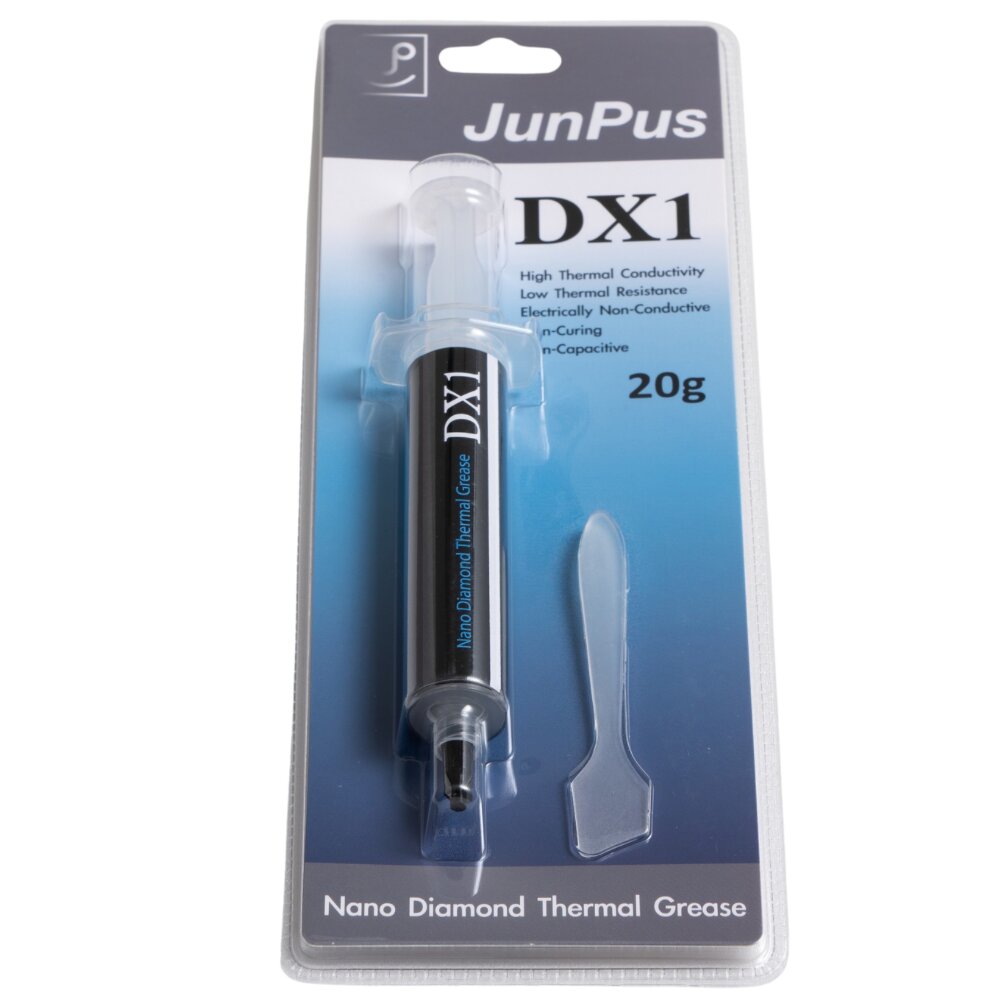
JunPus thermal compounds deliver advanced heat dissipation solutions tailored for high-performance AI chips, CPUs, GPUs, and 5G base stations.
Engineered for cutting-edge semiconductor technologies,
our patented thermal pastes optimize thermal conductivity, ensuring stable performance under intensive workloads. Trusted across electronics, data centers, and telecommunications
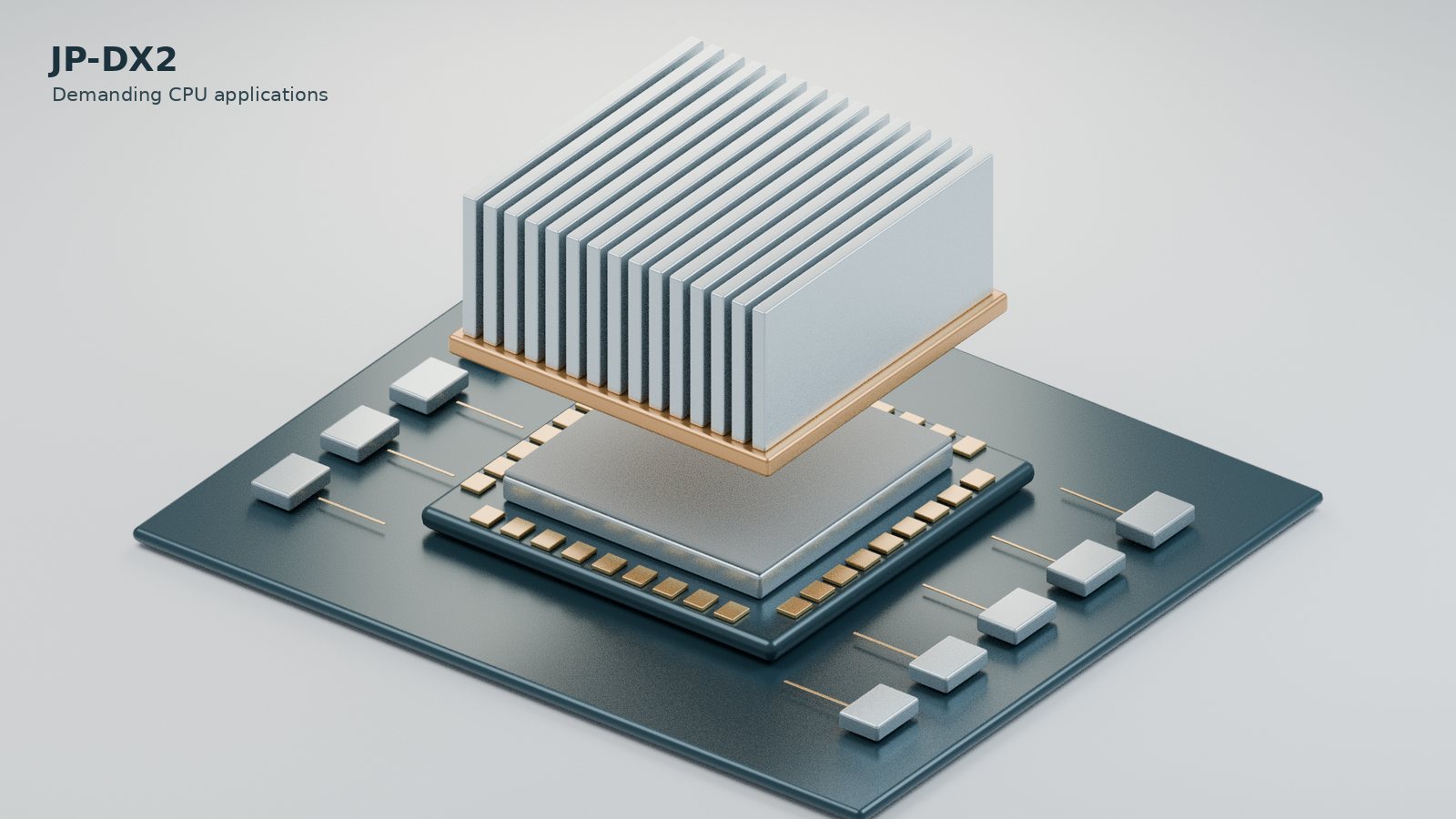
JunPus JP-DX2 brings a nano-diamond and silicone formulation to this essential contact point, with material characteristics suited to demanding thermal-management projects.
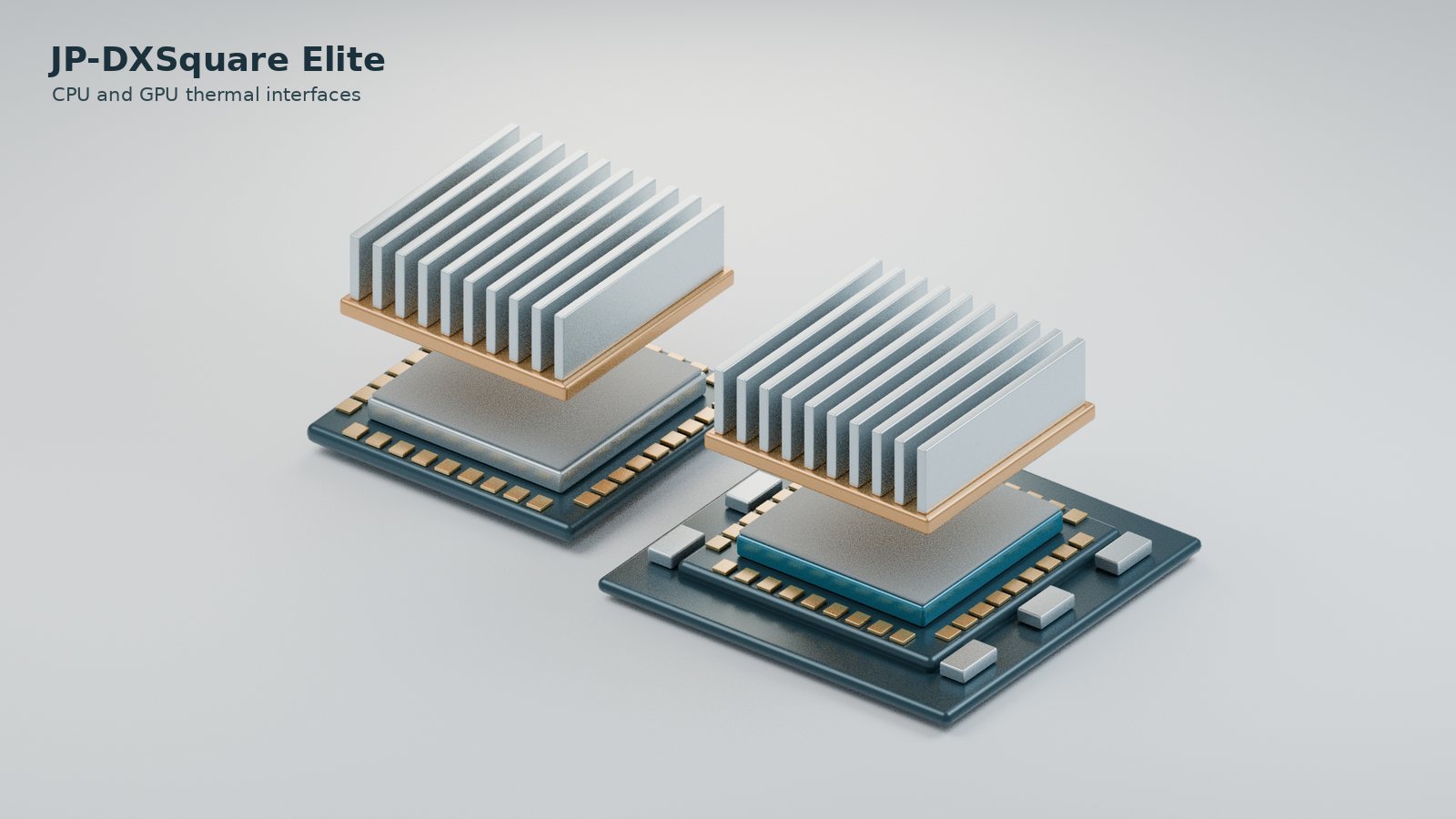
Conceptual CPU cooling assembly. Layer spacing and interface thickness are exaggerated; the illustration does not depict a validated workstation or performance result.
For builders planning a performance desktop or CPU-intensive workstation, the thermal interface deserves attention alongside the processor and cooler. It offers a focused option for teams evaluating thermal paste for high-performance electronics.
Current workloads give workstation testing a clearer focus
NVIDIA’s October 7 cuPhoton technical walkthrough follows a scientific imaging pipeline from image loading and alignment through analysis. Keeping arrays on the GPU avoids repeatedly moving data between processing stages. The example can run on a single-GPU workstation and extends to multi-GPU systems. It provides a concrete application pattern for planning a workstation evaluation, without treating its individual operation timings as a thermal-paste result.
AMD’s September 11 IBC article described a planned workstation demonstration combining a 96-core Threadripper PRO processor with Radeon AI PRO R9700 and NVIDIA RTX PRO Blackwell GPUs. The proposed DaVinci Resolve workflow included 17K RAW footage and AI-assisted production tasks. This was a demonstration announcement, not an independent cooling comparison.
Intel’s October 6 CPU workflow study adds a complementary CPU perspective: orchestration, tool execution and data movement contribute to completed work. Its selected cloud-instance tests used recorded-task replays without live model inference or network access. The results should remain separate from measurements on a customer’s workstation.
For a JP-DX2 trial, these examples help define the workload to run, the components to monitor and the records to retain. The required evidence still comes from the actual assembled cooling system.
Where CPU thermal paste fits
Thermal paste helps transfer heat between a processor’s integrated heat spreader and the cooler’s contact surface. Proper application is an important part of assembling that connection. JP-DX2 is identified by JunPus’s Japanese distributor, Ainex, for use between a CPU and heatsink, providing a clear practical application for its thermally conductive formulation. [2]
Nano diamond formulation and chemical stability
JP-DX2 combines nano-diamond powder with silicone fluids and uses high-purity thermally conductive materials. JunPus positions the compound for heat-intensive electronics, including AI processors and other high-power devices. This materials-focused approach gives developers a product to consider wherever a paste-based interface forms part of the thermal design.
The published product description also highlights resistance to oxidation, non-corrosive properties and low volatility. These characteristics are relevant when reviewing how a thermal-interface material will fit into an electronic assembly. Together with the formulation, they provide concrete points for discussion during product selection and application evaluation. [1]
Practical handling and process options
Ease of application matters when assembling an individual PC or preparing a repeatable installation procedure. Ainex describes JP-DX2 as easy to spread and resistant to hardening during storage. For builders, these handling characteristics are useful considerations when choosing a paste and planning careful application. [2]
JunPus also lists compatibility with precision printing and coating processes. This extends the product discussion beyond manual assembly to manufacturing workflows in which material placement and process control are part of the design brief. Teams can discuss their intended application method with JunPus before defining the production process. [1]
Evaluate thermal paste in the complete workstation
A useful evaluation considers the processor, cooler, mounting procedure and expected workload together. Follow the relevant component instructions, then check the assembled system under representative conditions. System-level testing establishes how the selected interface works in the actual build. [3]
Explore JP-DX2 for your next demanding CPU or workstation project. Visit the product page to review its material features, or contact JunPus to discuss application requirements and product details.